




Event Navigation
Eclipses, Stars and Relativity: The Royal Observatory, Greenwich in the early twentieth century
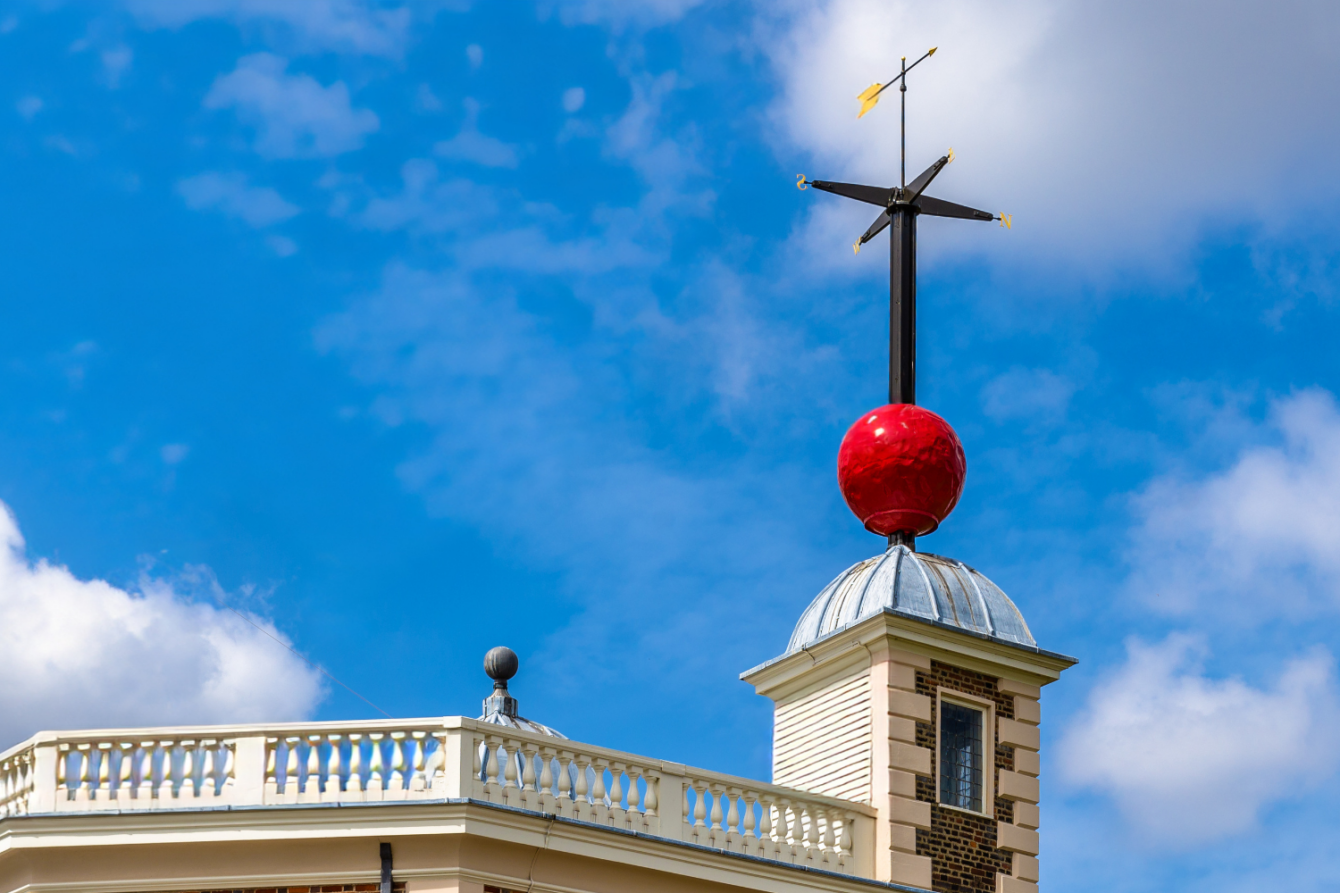
Eclipses, Stars and Relativity: The Royal Observatory, Greenwich in the early twentieth century
Thu 22 Oct, 18:00 - 19:00
History of Science Museum, Oxford
From 1884, the Greenwich meridian was becoming widely accepted as the ‘zero’ of world longitude. But by the late 1950s, the Royal Observatory had moved out of London in search of clearer skies.
Show more
What happened in those early years of the twentieth century?
Lee T. Macdonald draws on his book, ‘The Royal Observatory, Greenwich, 1881-1939’, chosen as one of Nature’s Top 5 Science Books of 2026. He explains how the Observatory advanced astronomical research during this time of global upheaval and scientific endeavour.
Using many previously unpublished sources, Lee describes the essential role Greenwich played in expeditions to observe the 1919 solar eclipse, which confirmed a key prediction of Albert Einstein’s general theory of relativity – the theory expounded in the History of Science Museum’s best-known exhibit: Einstein’s blackboard.
Tickets from £5. Free for students. Booking essential.
Show less
Free – £8
Address
History of Science Museum, Broad Street, Oxford, Oxfordshire, OX1 3AZ


