



Bathing at Blenheim: Blueprints reveal original plans for Roman spa
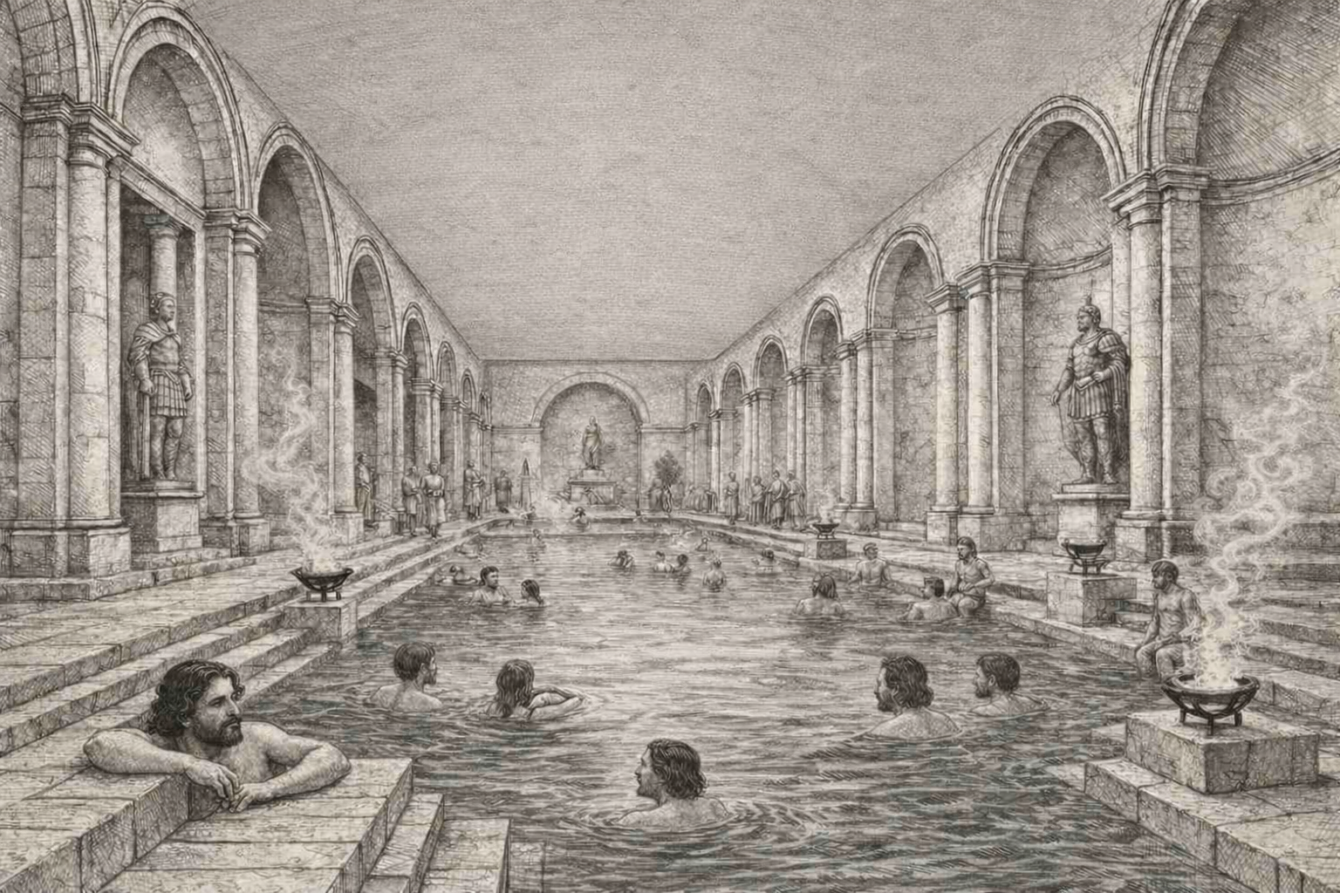
Archivists and the Built Heritage team at Blenheim Palace in Oxfordshire have discovered that architect Sir John Vanbrugh had proposed a Roman-style spa bath as part of the original design in 1705 – which would have occupied the site now home to the Orangery.
Vanbrugh’s blueprints and sketches from the early 18th century show that the area near the palace’s Flagstaff Gate was initially intended to be a ‘thermae’ bathing house for the Duke of Marlborough and his friends and family. Records suggest that the idea was scrapped due to the engineering costs which would have been incurred on such an ambitious project.
Kelly O’Driscoll, Head of Built Heritage at Blenheim Palace, commented: “During our vital restoration project, we’ve been closely examining the original plans for the Palace and were intrigued to make this discovery. Rome was the birthplace of the Baroque style, and Baroque artists and patrons drew heavily on Ancient Roman grandeur, so it stands to reason that the Duke and Vanbrugh would have discussed the idea of a Roman bath.
“Sadly, the cost to install the heating and plumbing required proved to be too much even for someone of the Duke of Marlborough’s standing. What we do have instead, however, is the stunning Orangery, which is still enjoyed today by thousands of visitors.”
The life and work of Sir John Vanbrugh (1664–1726) is the focus of the Blueprints of Power exhibition at Blenheim Palace, part of the nationwide Vanbrugh300 campaign, which showcases the bold and fascinating life of the designer of the UNESCO World Heritage Site.
The exhibition, which has been extended to May 31st, allows visitors to step into the Palace and experience an interactive exhibition shining a light on one of the greatest architects and theatrical figures of all time.
For more information about the exhibition and to book tickets, visit www.blenheimpalace.com/whats-on/events/blueprints-of-power.html
ENDS


