



New Late Payment Crackdown Set to Boost Oxfordshire’s Small Business Economy
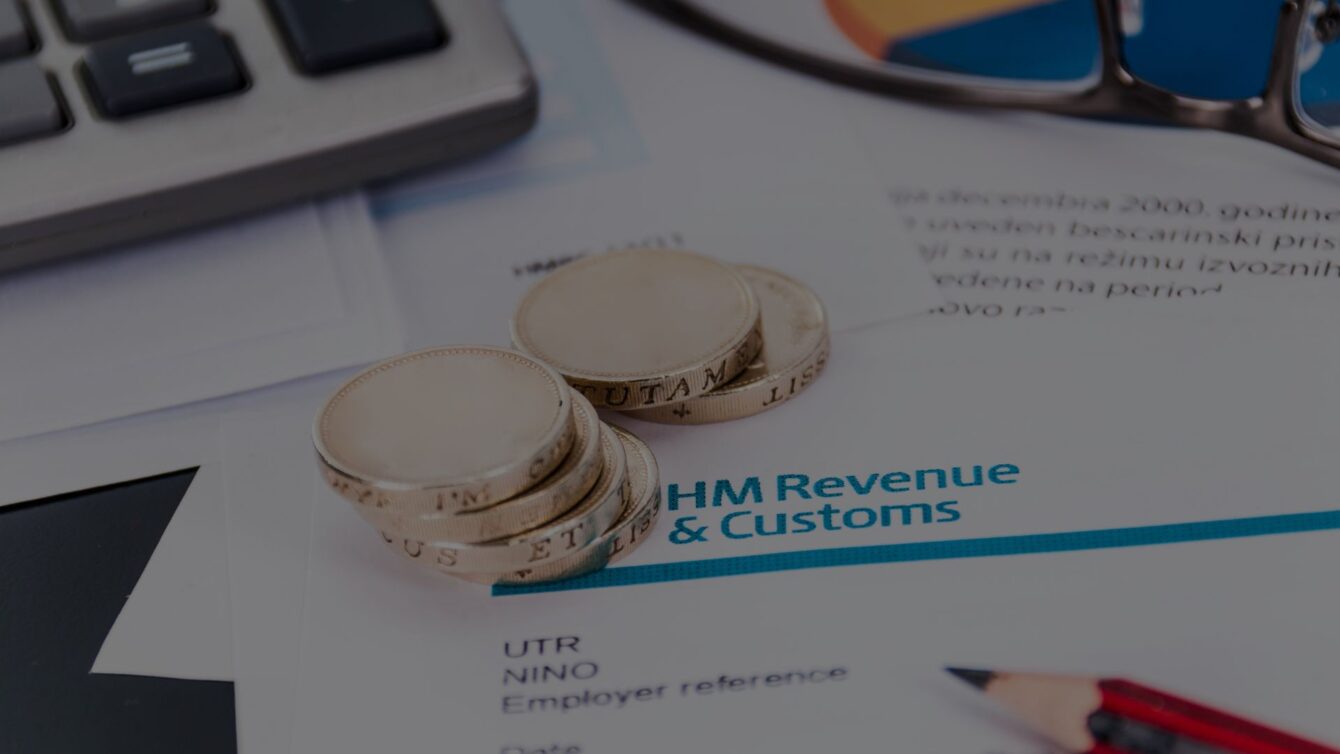
New government mandates aim to shield Oxfordshire’s SMEs and the wider UK small business sector from cash flow disruption as large firms face stricter reporting and penalties.
Large companies that pay their suppliers late will face fines and be required to disclose their payment times in annual reports, starting this autumn. The move is aimed at protecting smaller suppliers from cash flow pressure caused by delayed payments.
- 5 million businesses (28% of the UK’s total) are affected by late payments.
- Late payments are estimated to cost the UK economy £11 billion annually.
- 14,000 businesses close each year as a result of late payments.
- Businesses spend, on average, 86 hours per year chasing unpaid invoices.
- Oxfordshire is home to over 48,000 registered companies, most of which are SMEs that rely heavily on timely payments to support local services, tech, education, and innovation clusters.
The UK government has unveiled tough new payment rules designed to stop late payments and protect small businesses from large companies that fail to pay their suppliers on time. According to research by the Federation of Small Businesses (FSB), at any given moment around £26 billion is overdue in payments across the UK, contributing to an estimated 50,000 business closures each year.
The Cashflow Challenge for Small Businesses
Small businesses make up 60% of the UK’s workforce, yet cash flow remains one of their greatest challenges. Unlike larger corporations with deep reserves, SMEs rely on prompt payments to cover essentials such as wages, rent, supplier bills, and utilities. When payments are delayed, the disruption goes beyond operations and can threaten the very survival of the business. Research shows that 41% of SMEs do not have enough emergency funding to survive six months of disruption, making these new rules a vital step forward.
Simon Thomas, Managing Director of Ridgefield Consulting, an Oxfordshire-based chartered accountancy firm, commented:
“As both a business owner in Oxfordshire and adviser to our clients, we see firsthand how damaging late payments can be to growth. This reform is a vital and welcome step in protecting small businesses from being taken advantage of by larger companies. By making payment practices transparent through annual reporting and by introducing real penalties, it gives small business owners greater confidence, more security, and the ability to make better decisions about who they work with. Crucially, it also frees up valuable time, allowing entrepreneurs to focus on running and growing their businesses rather than chasing overdue invoices.”
What will large businesses be required to do from next year?
- Large businesses with over 250 employees will have their payment terms. reduced from 60 days to a maximum of 45 days.
- Include average payment terms in statutory annual reports and accounts.
- Ensure audit committees formally review payment practices at board level.
Enforcement and Penalties:
Persistent late payers will be investigated by the Small Business Commissioner, who now has expanded powers for spot checks. Companies paying more than 25% of invoices late over six months could face fines twice the amount of unpaid statutory interest — for example, a £10,000 unpaid interest bill could lead to a £20,000 fine.
By placing supplier payment behaviour alongside financial performance in publicly filed accounts, investors, regulators, and the public will gain clear insight into how companies treat their suppliers. The new rules aim to make prompt payment a core part of corporate accountability while protecting the UK’s small business sector from the devastating effects of delayed payments.
While these new rules mark a significant step forward, small businesses must continue to prioritise healthy cash flow. Effective management of payments in and out is crucial to keeping operations smooth and safeguarding the business against disruption. For Oxfordshire’s small business community, from high-growth start-ups to independent local firms – the reforms offer much-needed protection and the chance to build a stronger, more resilient local economy.
Data Sources:
https://startups.co.uk/news/late-payment-penalties/
ENDS


