



Preparing your garden for colder weather this autumn
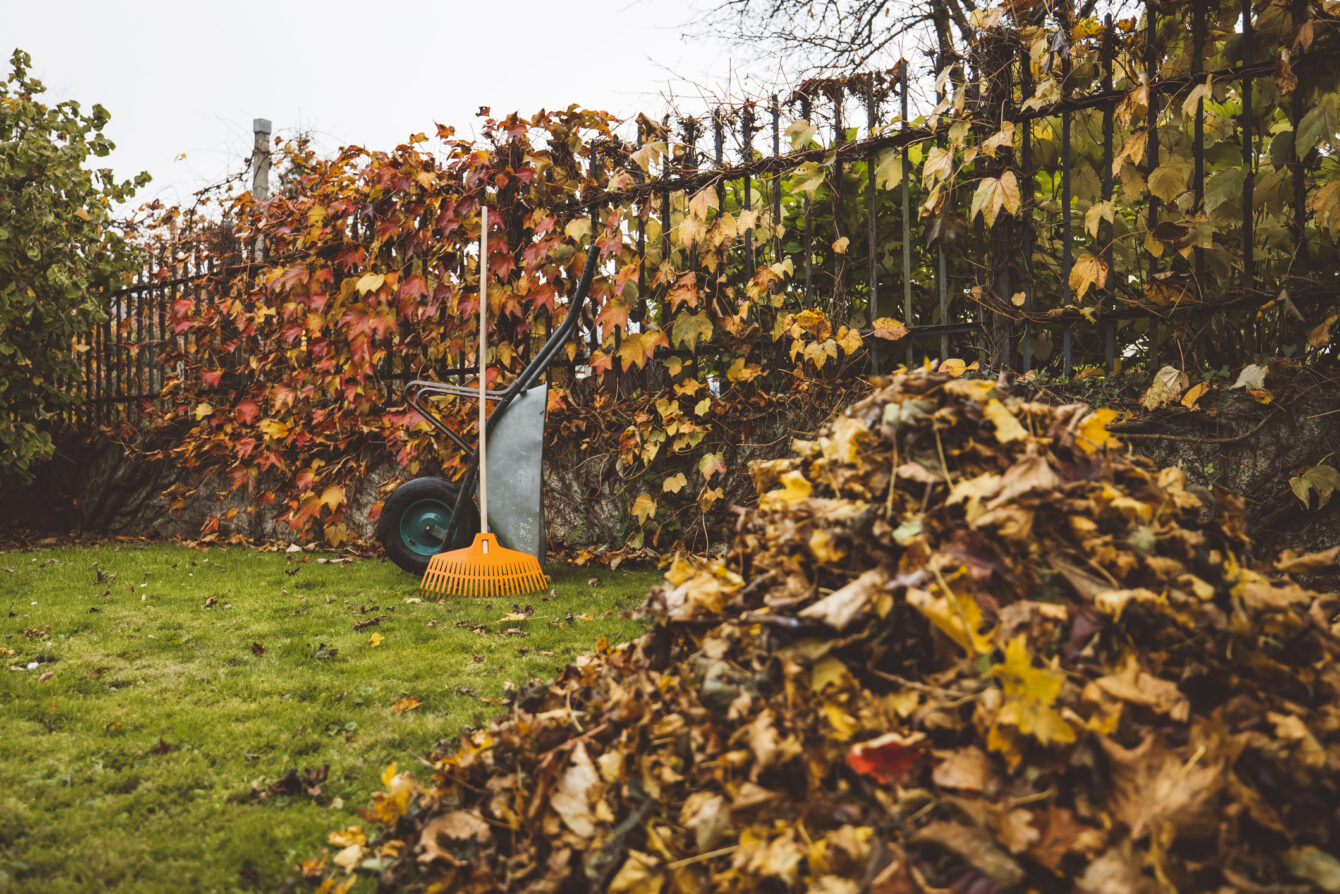
After being blessed with a warm summer, leaves will soon start to darken and evenings will draw in earlier, so it’s important to ensure that you and your garden are prepared to welcome the cooler seasons.
Danielle Simpson, Sales Director at Pye Homes in Oxfordshire, shares some tips on how to prepare your garden for the autumn with no compromise on comfort whatever the weather.
Weatherproofing your garden
The start of autumn shouldn’t mean saying goodbye to al fresco dining. As long as your garden space is well prepared, you can dine all autumn long with these few key essentials:
- Coverings; whether it be a covered pergola or gazebo, shield your dining area against the season’s drizzle and breezes.
- Seasonal heaters; stay warm on crisp evenings with propane, electrical heaters, or even some chunky blankets and plush cushions!
- Wind resistance; by positioning tall planters and trellis around key areas, you can block winds whilst also adding privacy.
Pruning your plants
Pruning your garden ahead of the autumn coolness encourages a healthier growth the following spring, but timing is key.
Now is the time to cut back on vulnerable plants such as lavender, sedum and grasses once blooms begin to fade. If your garden attracts winged visitors, you can leave seed heads on plants such as poppies for them to feed on.
Gently prune trees and bushes by removing dead or crossing branches, but be sure to avoid over-pruning on frost-prone shrubs such as hebe, ceanothus, and cistus.
Lastly, be sure to harvest the remainder of your produce before removing the plant’s debris to reduce the risk of disease.
Preparing your soil
Now is the perfect time to be preparing your soil to provide it with plenty of strength for the long haul. This can easily be done by clearing fallen leaves and plant debris, composting the healthy, and disregarding the diseased foliage to avoid fungal carryover.
You can also spread rotted manure or compost over produce beds to enrich the soil and encourage earthworm activity which will improve the soil’s structure, nutrient cycling, and water infiltration.
Protect your plants
Give your vulnerable plants a fighting chance when you wrap pots or perennials, such as fuchsias, in a horticulture fleece or blanket. Plants such as geraniums are a little more fragile and may need to be brought indoors once temperatures dip below 5 °C to keep them healthy.
And why not get creative this autumn when you add seasonal elements to your garden? Add pots of cyclamen and pansies, who fare better in light frost and require minimal fuss, to your garden to introduce a pop of colour.
Seasonal planting
Your garden can remain very much thriving and colourful during colder months, so don’t let the weather tell you otherwise.
Leafy greens including spinach, winter lettuce, and kale, and root vegetables such as garlic, radishes, and beetroot can all be sowed in September and October where they will start growing their roots and be ready for harvest in the spring and summer.
Whilst autumn isn’t the best time to sow fruit seeds, it is a great time to plant fruit bushes as the soil is still warm and moist enough to establish roots before the winter, so why not introduce a blackcurrant, raspberry, blueberry, or gooseberry bush to your garden ready to fuel 2026’s fruit salads?
To maximise your produce’s health during this time, be sure to mulch well to retain its warmth and moisture, watch out for pesky slugs and rot in wet conditions, and regularly rotate crops.
Welcoming wildlife
You can give little critters and other garden wildlife a safe haven to retreat to throughout autumn by partaking in a few simple steps:
- Provide a clean bird bath and keep bird feeders topped up.
- Leave a small log pile to shelter small insects and nighttime visitors such as hedgehogs.
- Create a simple bug hotel for insects, or a nesting box for birds.
ENDS


